Table of Contents
- Figure 3 from Ehlers-Danlos Syndrome, Hypermobility Type: An ...
- Ehlers Danlos Syndrome & The Eyes
- Molecular diagnosis in vascular Ehlers-Danlos syndrome predicts pattern ...
- Ehlers Danlos Syndrome Vascular Type
- What is Ehlers-Danlos Syndrome? How Do I Know If I Have It? - RTHM
- Classical Ehlers Danlos Syndrome
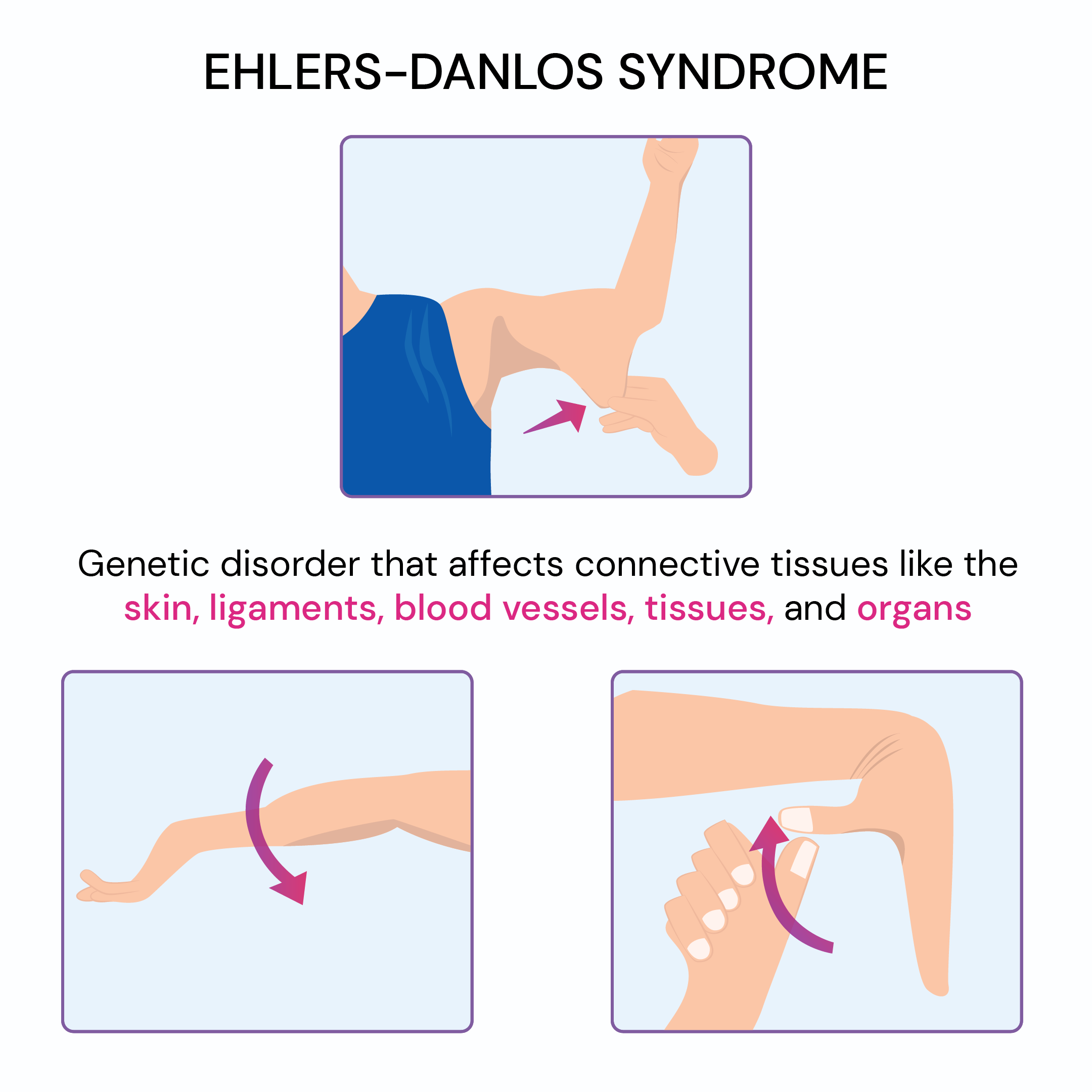
- What Is Ehlers Danlos Syndrome
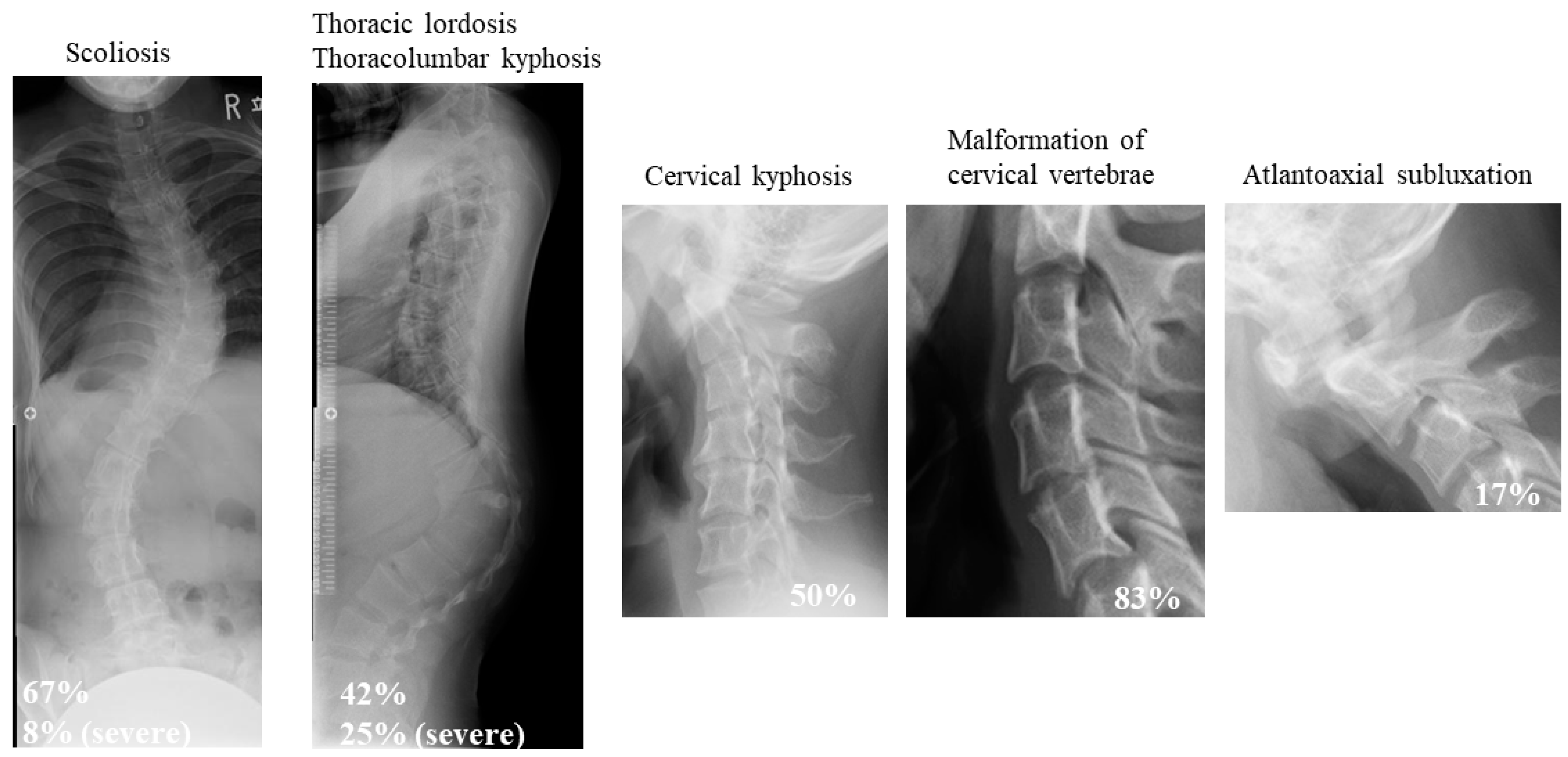
- Spinal Deformity in Ehlers–Danlos Syndrome: Focus on ...
- Ehlers Danlos Syndrome: Facts, Information And Myths Busted, 45% OFF
- Molecular diagnosis in vascular Ehlers-Danlos syndrome predicts pattern ...



Symptoms of Ehlers-Danlos Syndrome



Diagnosis of Ehlers-Danlos Syndrome

Treatment and Management of Ehlers-Danlos Syndrome
While there is no cure for EDS, various treatment options can help manage the symptoms and prevent complications. These may include: Physical Therapy: Gentle exercises to improve joint stability and strength Pain Management: Medications and other interventions to manage pain and discomfort Wound Care: Specialized wound care to promote healing and prevent infection Surgical Interventions: Surgery to repair damaged tissues or stabilize joints Lifestyle Modifications: Lifestyle changes, such as avoiding heavy lifting or strenuous activities, to reduce the risk of injury It's essential to work with a healthcare team, including a geneticist, orthopedic specialist, and physical therapist, to develop a personalized treatment plan. Ehlers-Danlos Syndrome is a complex condition that requires a comprehensive approach to diagnosis and treatment. By understanding the symptoms, diagnosis, and treatment options, individuals with EDS can manage their condition and improve their quality of life. If you suspect that you or a loved one may have EDS, consult a healthcare professional for guidance and support. With the right treatment and care, it's possible to live a fulfilling life with Ehlers-Danlos Syndrome.For more information on Ehlers-Danlos Syndrome, visit WebMD or consult with a healthcare professional.